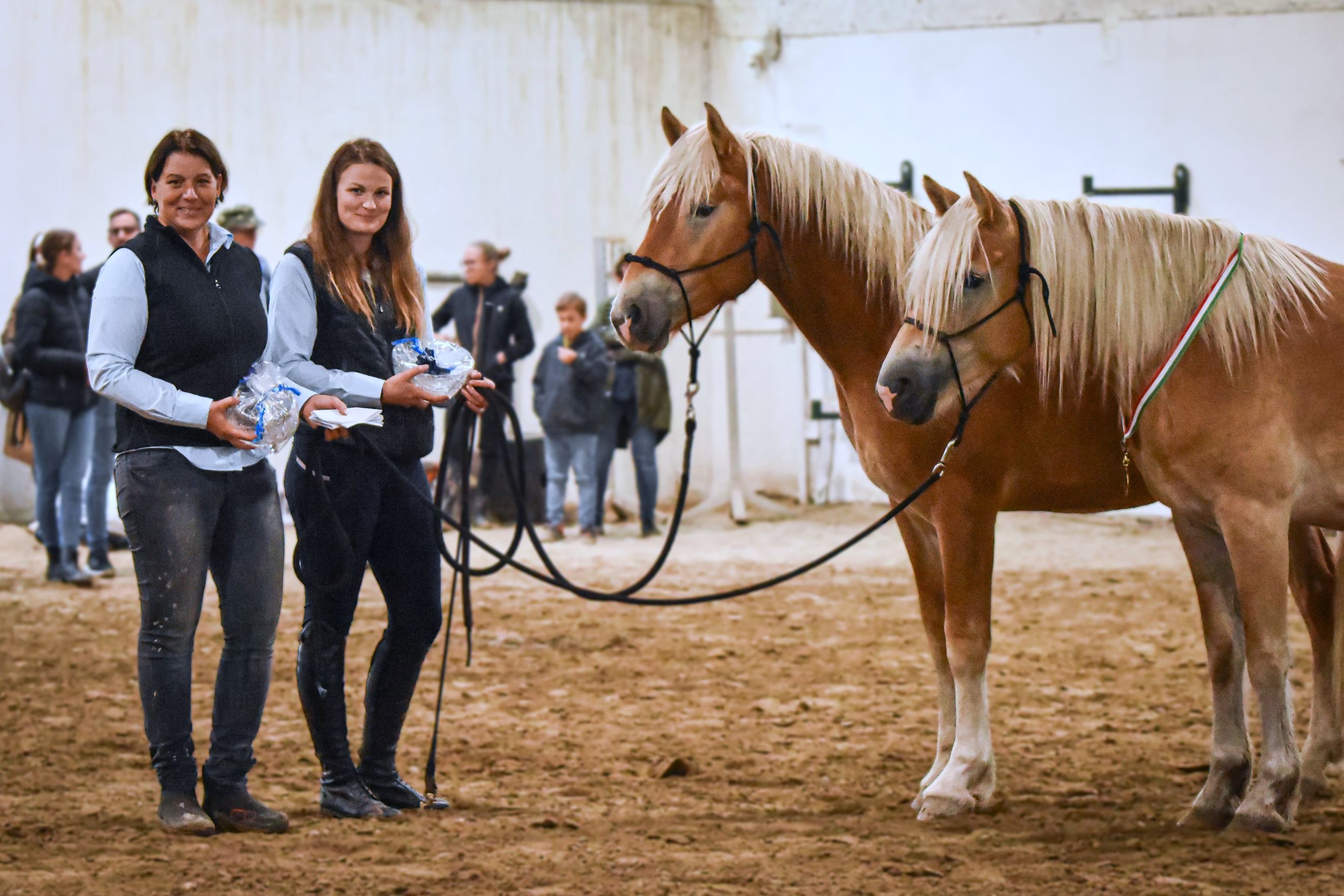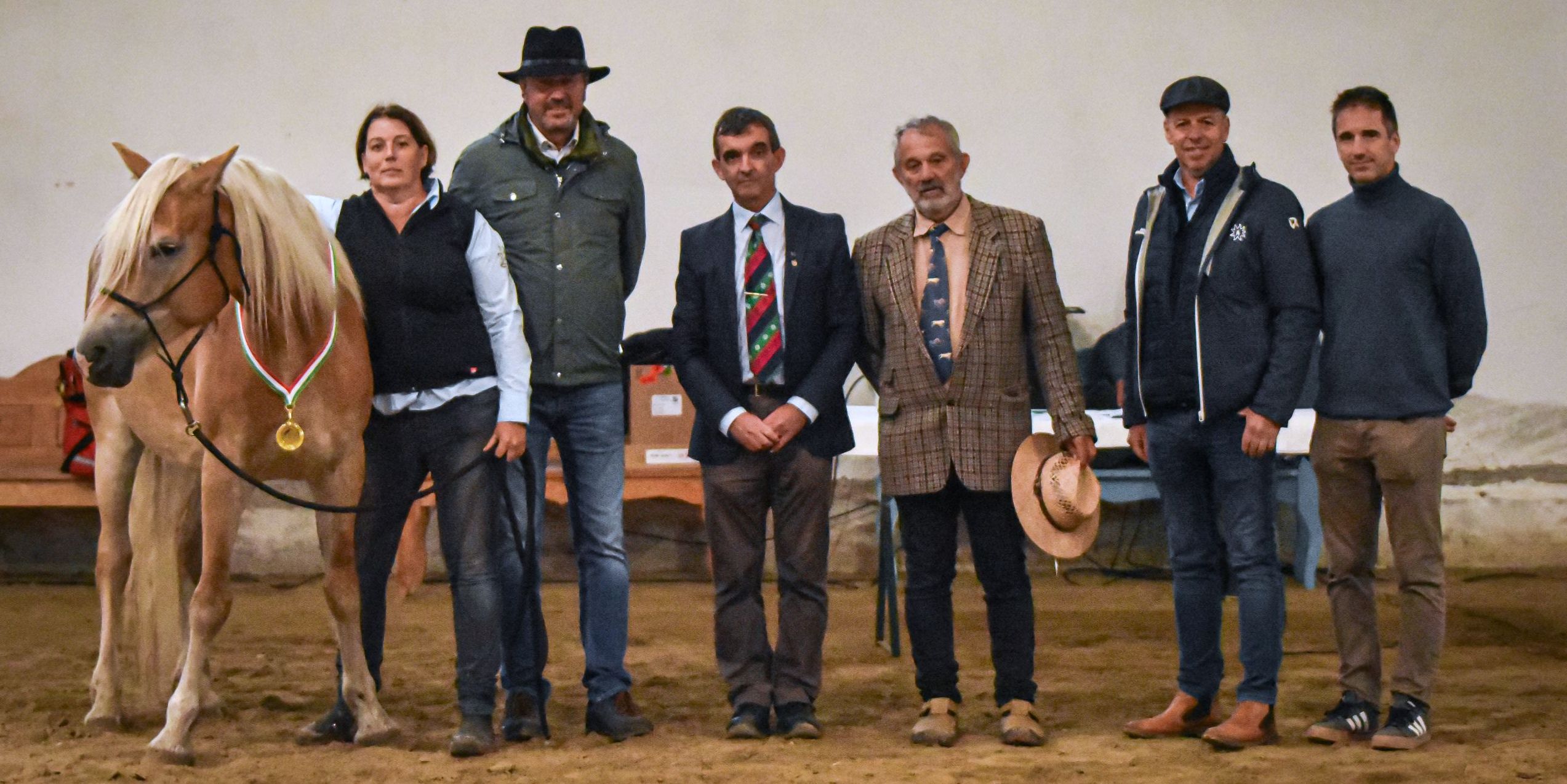
Photos: Ponies and small horses breeders’ Association
The judging panel comprised Lukas Scheiber and Robert Stephan Mair, specialists from the renowned Fohlenhof Ebbs in Tyrol, together with Dr János Posta, Head of Breeding, and judges Zoltán Németh and Gábor Simon. Their combined expertise provided a valuable professional perspective on the quality and development of the horses presented.
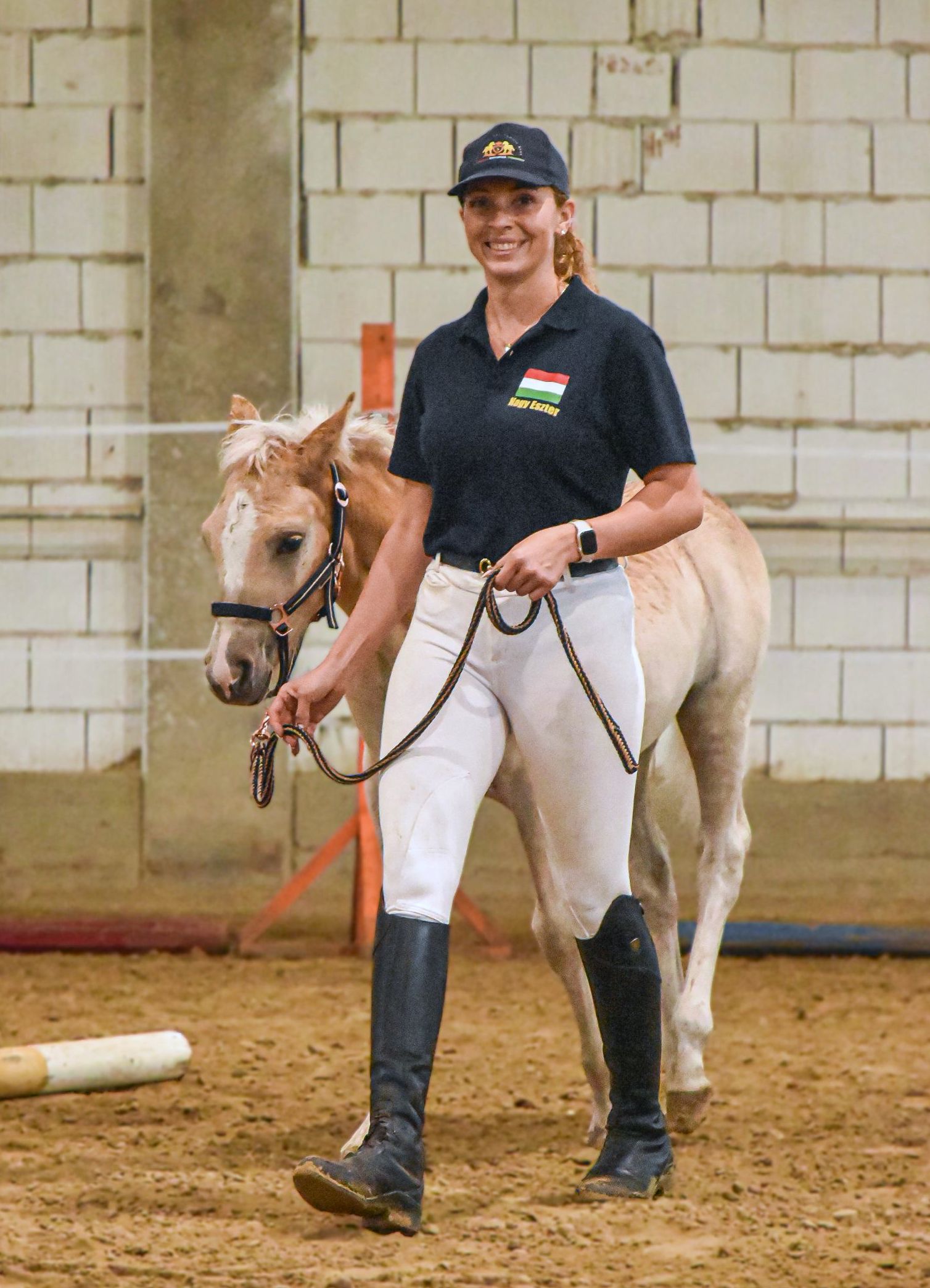
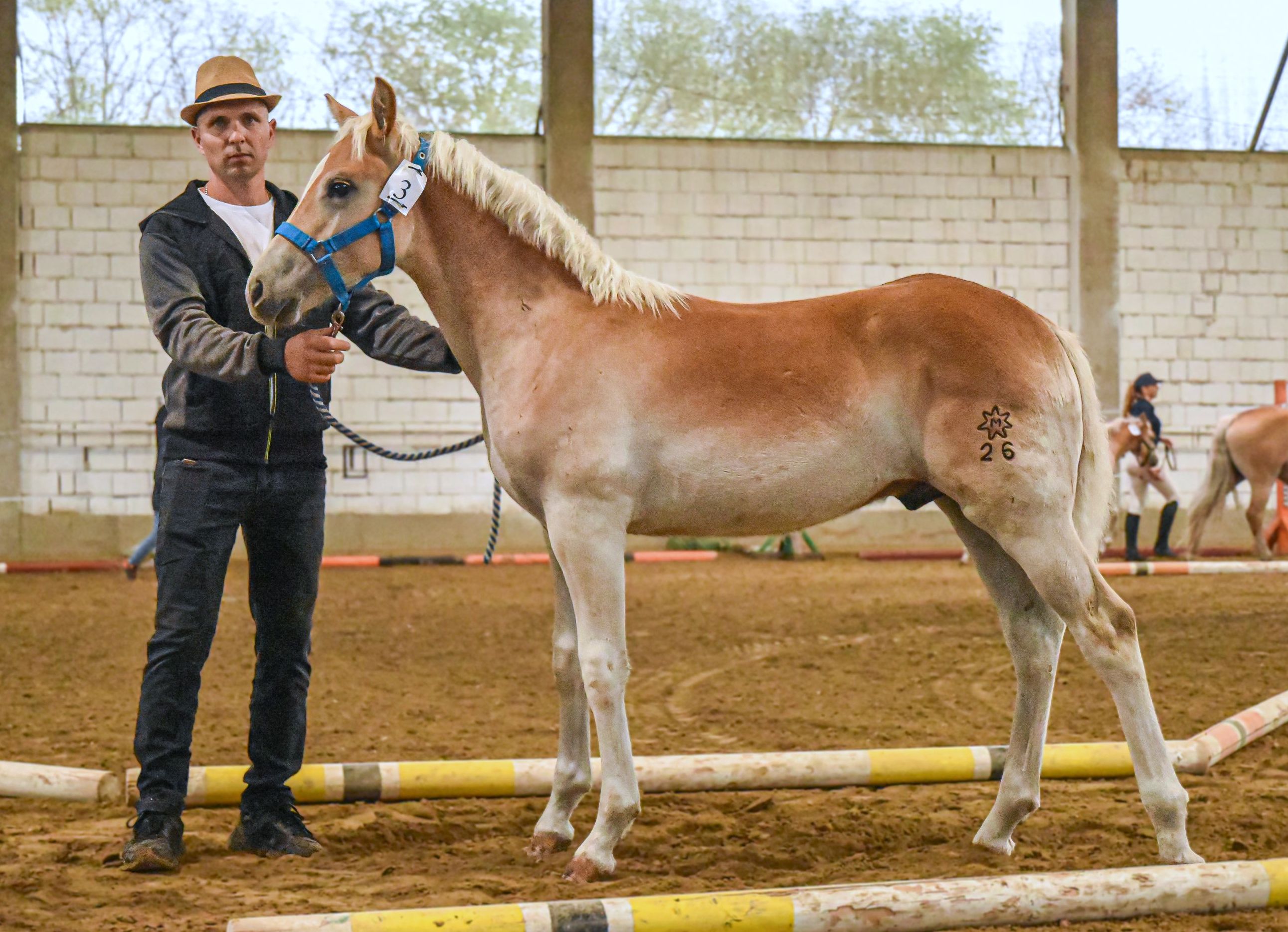
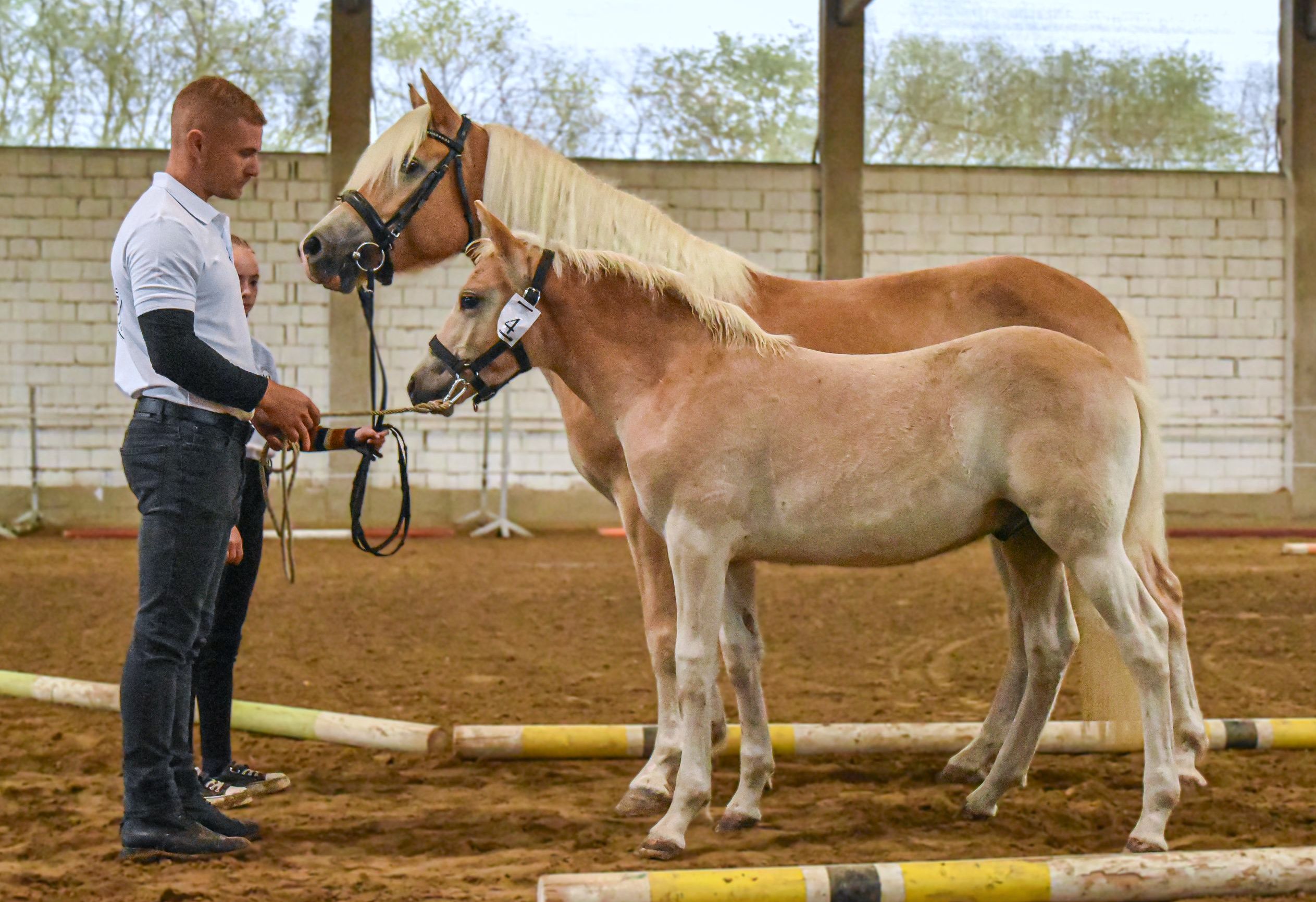
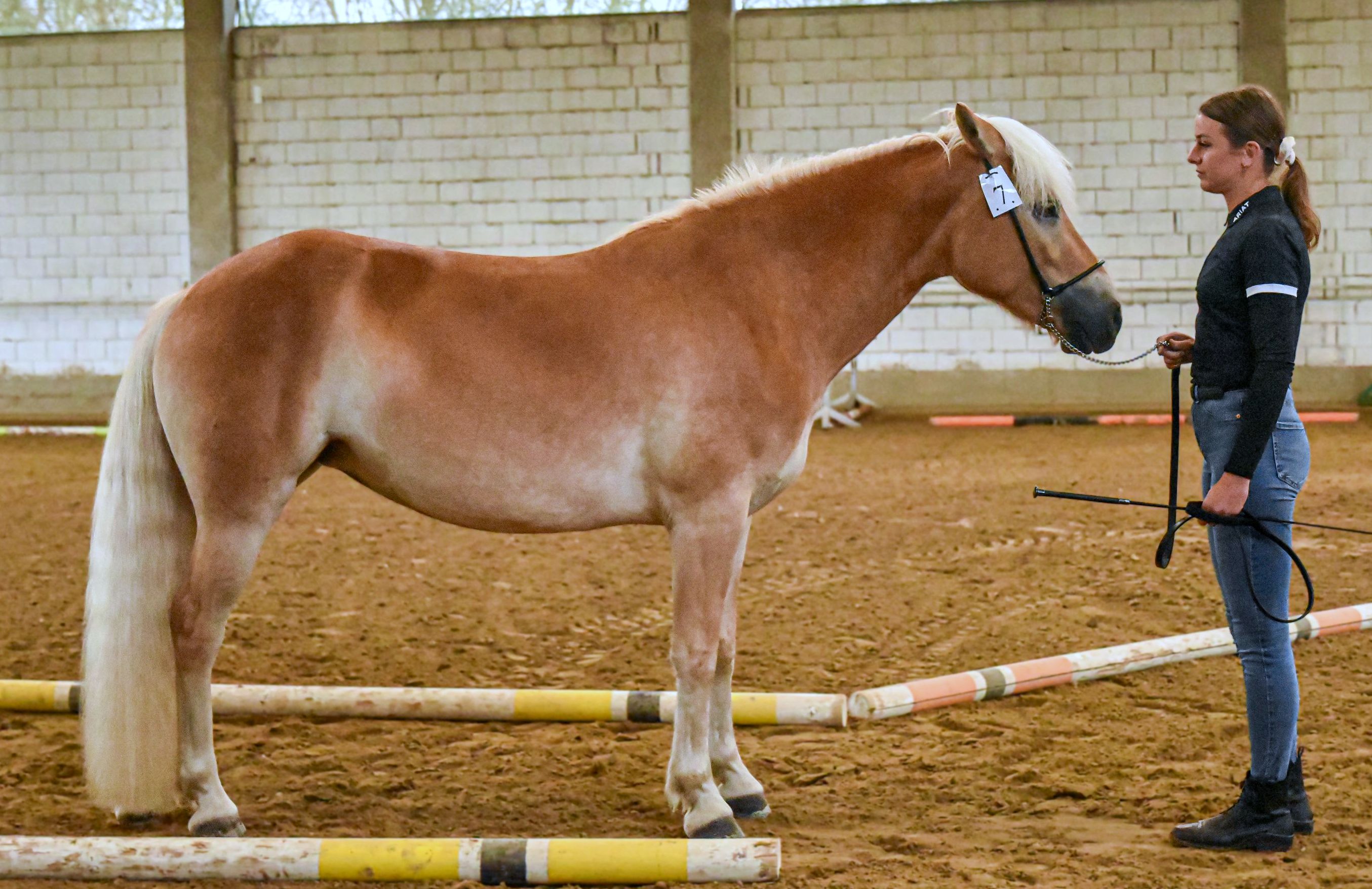
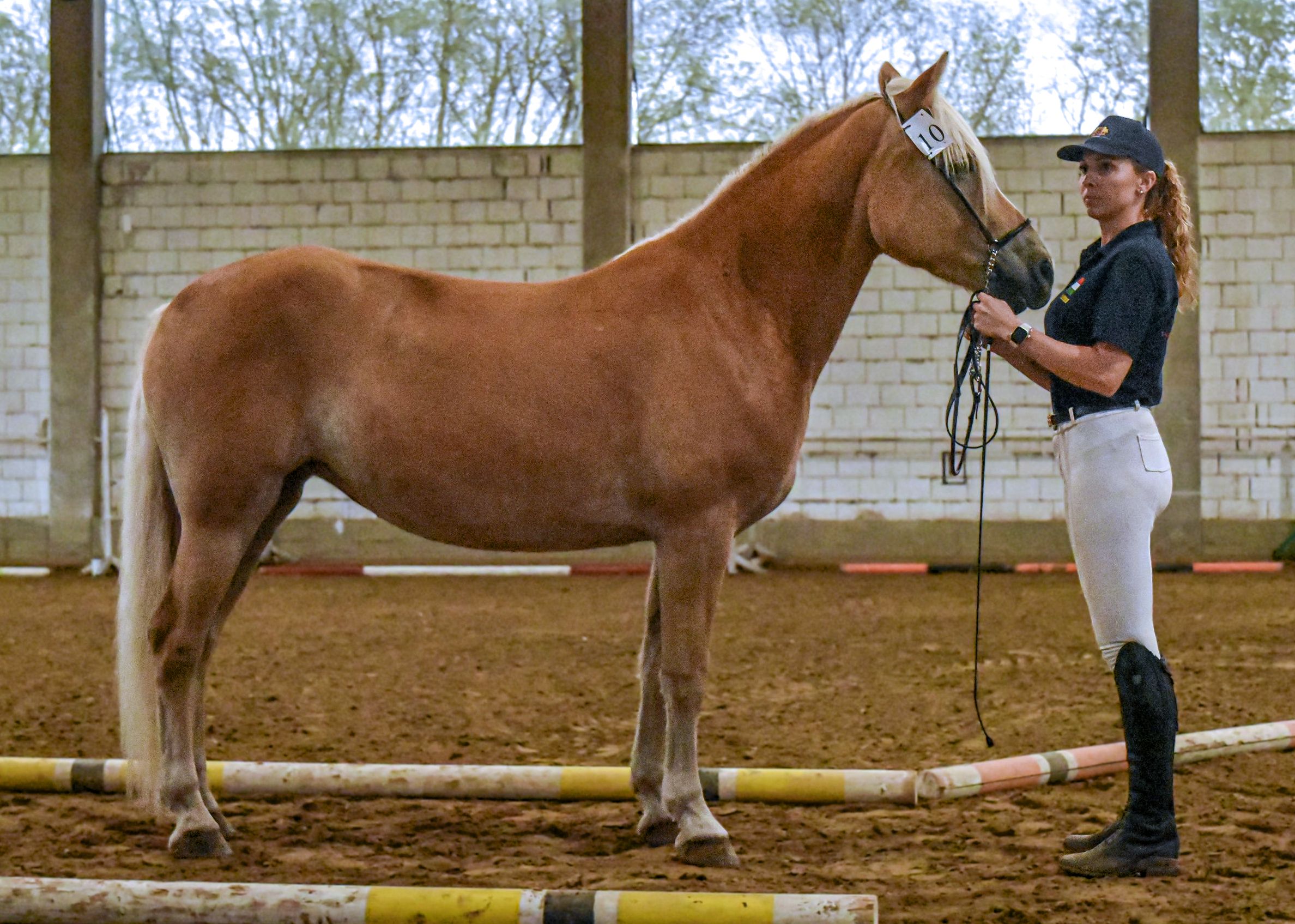
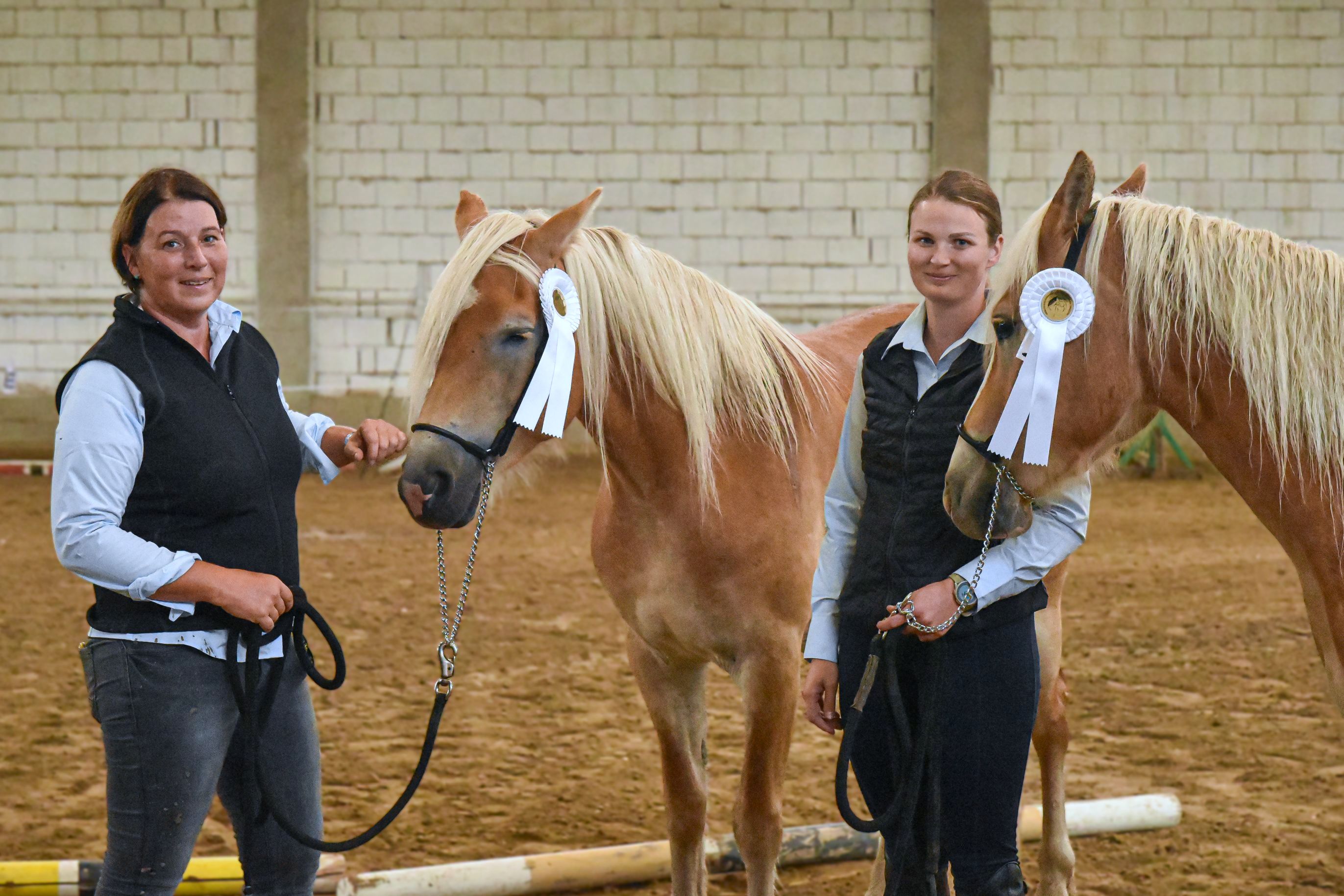
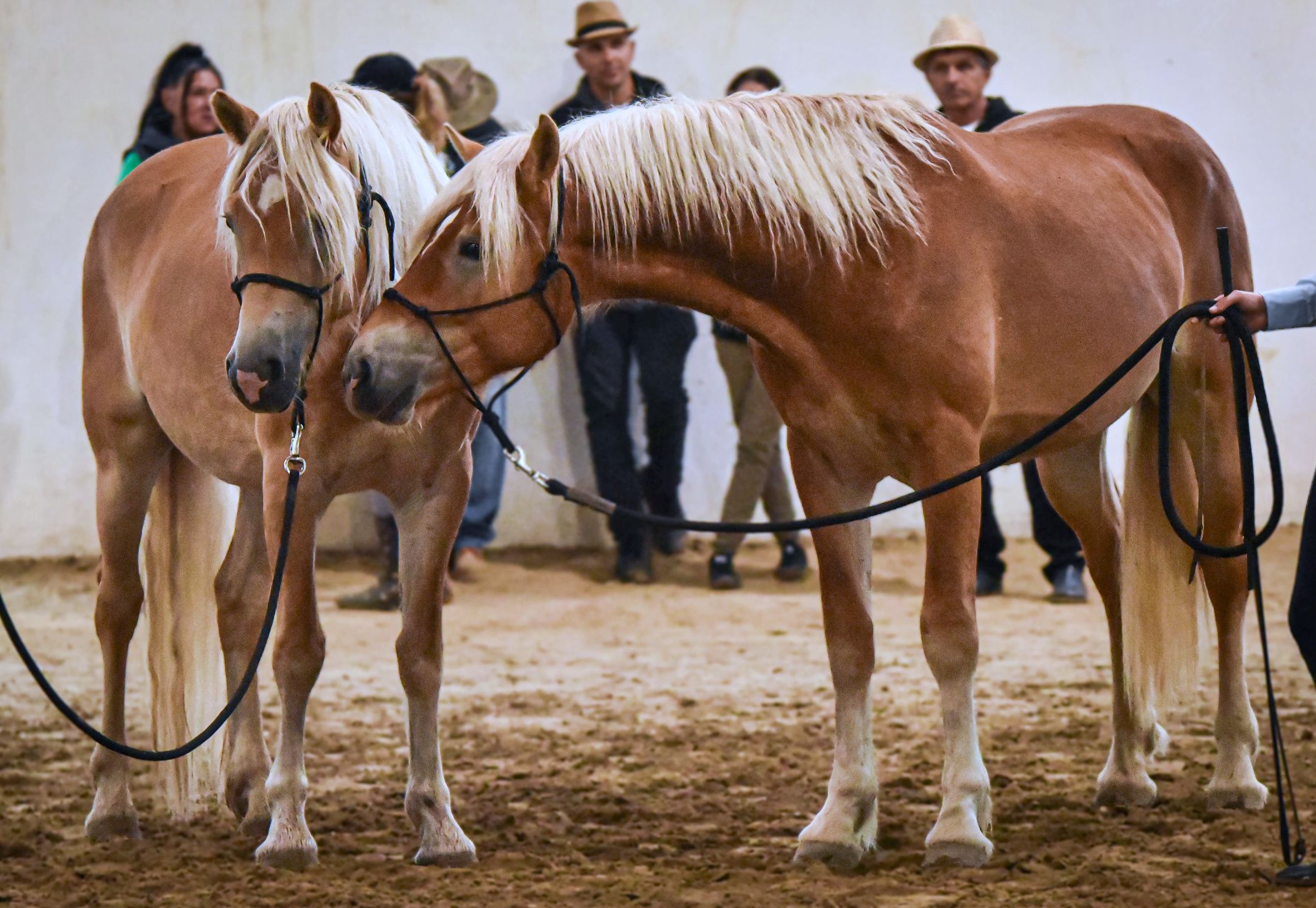
Numerous young foals, breeding mares and a stallion candidate took part in the evaluation. The 2026-born foals achieved particularly encouraging results, with individual scores ranging from 72 to 75.5 points, corresponding overall to a II/1 classification.
Four foals born in 2026 were presented: the fillies Liabell and Irisz and the colts Nimród and Nibbio. All four are offspring of the stallion Norre-C. One of the common observations made by the judges was their relatively short neck conformation, which was noted in the conformation assessment of all four foals.
Among the older youngstock, the 2024-born B-line stallion Bitcoin received 77 points and an I/2 classification. His result and overall assessment identified him as a promising young stallion with potential for future breeding use.
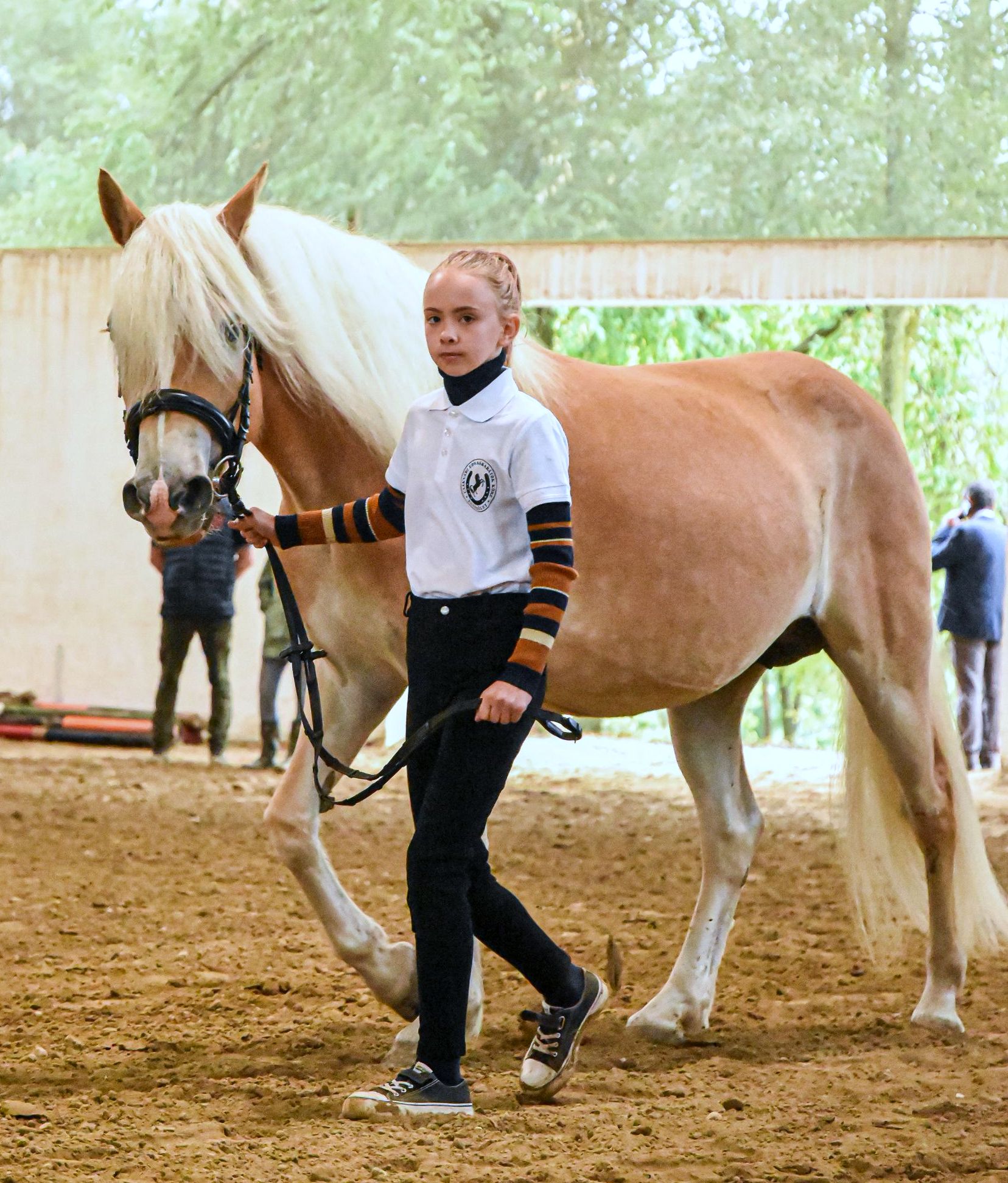
The 2023-born mares also produced a range of solid results. Little Buggie scored 75 points, followed by Mara with 74, Priscilla with 73 and Scream with 71.5 points. In the 2022 age group, Flora achieved 76 points, while Luletti received 74 points. Lára, born in 2018, was awarded 72.5 points.
The 2023-born Stimmer-G, a stallion candidate representing the St line, was assessed as displaying a more traditional, older-type appearance combined with a heavier body structure. These observations provide useful information for considering his suitability and future role within the breeding programme.
Particular emphasis throughout the evaluation was placed on breed type, body proportions and measurements, conformation, movement and overall impression. In addition to the visual assessment, key biometric data were recorded, including height at the withers, heart-girth circumference and cannon-bone circumference. Such measurements provide an important objective basis for monitoring the development of the national breeding population and supporting future breeding decisions.
The Csömör breeding evaluation therefore represented an important professional milestone for Hungarian Haflinger breeding in 2026. Beyond the individual results, the event provided valuable comparative information on the current breeding stock and young generations, while contributing to the objective assessment of conformation, type and movement and helping to identify promising breeding prospects for the future.