The Haflinger

History, characteristics and uses

Haflingers are known for their versatility, strength of character and good health. They are one of the world's most popular small horse breeds and can be found in almost all equestrian disciplines.

The Haflinger – History, characteristics and uses
History
01

History

Origins of the breed, milestones and development at a glance

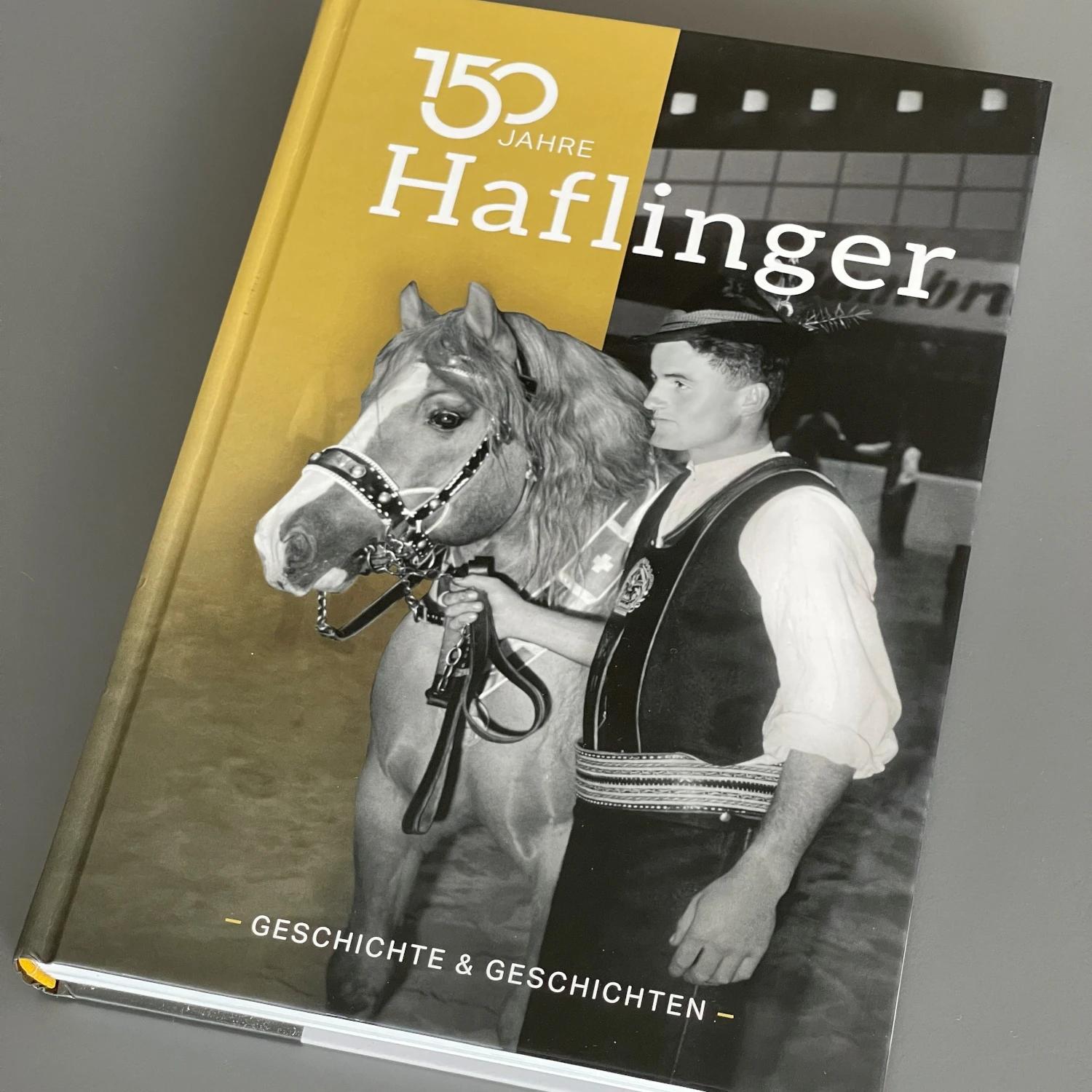
The breed's origins date back to 1874, with the birth of the stallion 249 Folie in Sluderno/Schluderns. He was the result of a cross between a local mare of Galician origins and the Arabian stallion 133 El Bedavi. Folie is considered the founder of the breed. All registered Haflinger stallions and mares can be traced back to his line.
Characteristics
02

Characteristics

Conformation, temperament and typical traits

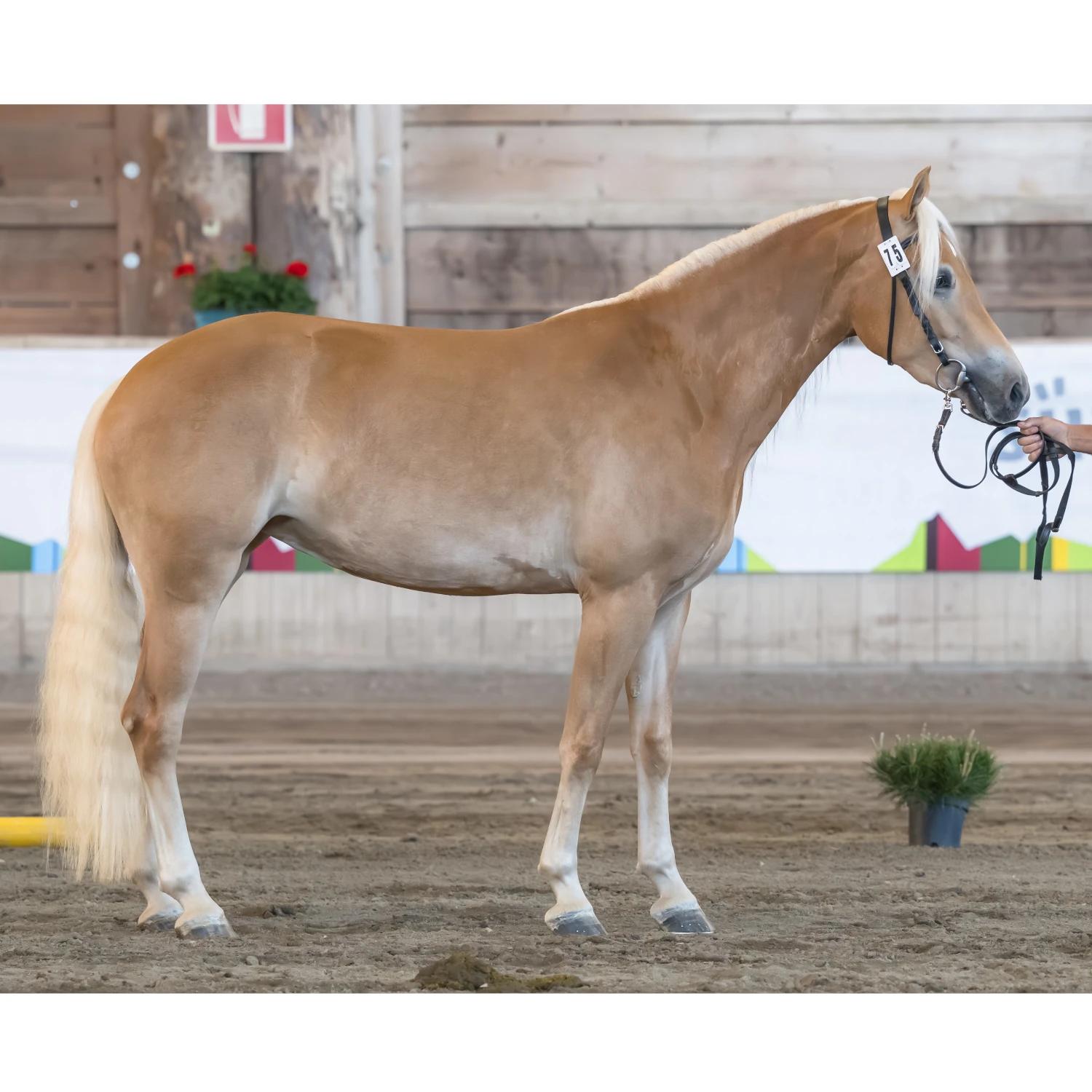
Haflingers are medium-sized, expressive and noble horses with a chestnut coat and a fair forelock, mane and tail. They are characterised by a strong, correct and harmonious physique, a kind and well-tempered character and a high suitability for riding: a versatile breed that is passionate about working and suited for all disciplines of riding and driving.

Particular importance is attached to a strong constitution, frugal nature and good health together with a friendly character, strong nerves and intelligence.

Use
03

Use

Use in breeding and sports

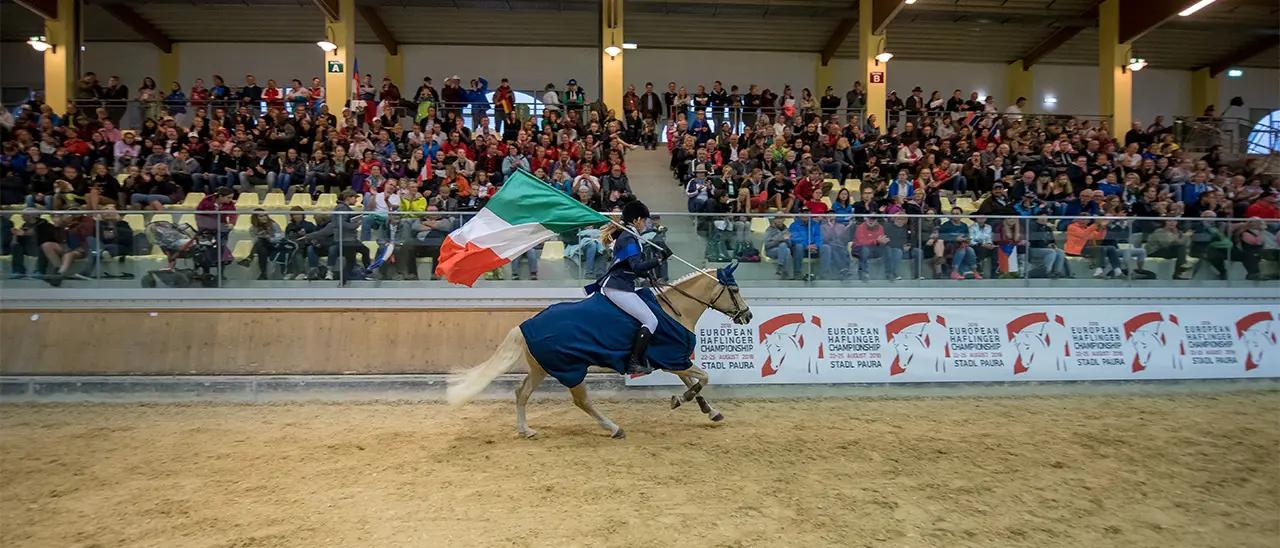
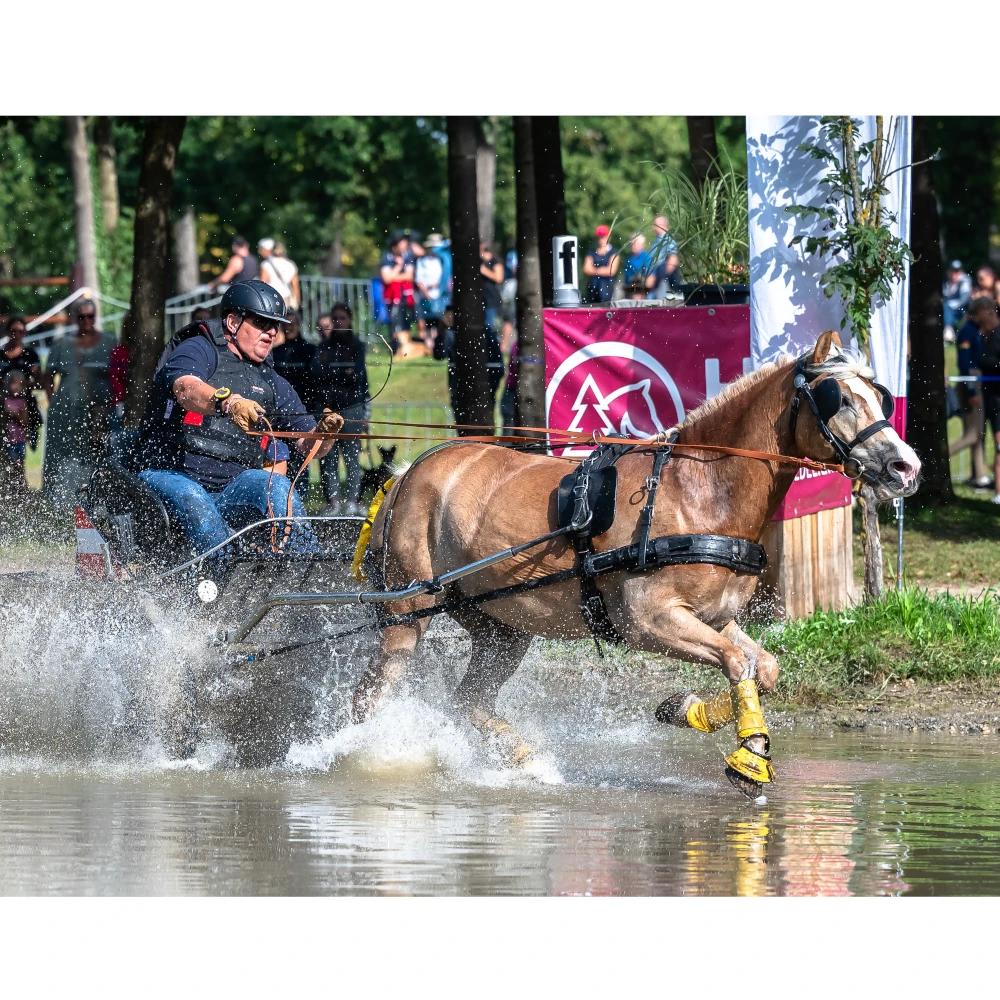
Today's Haflingers are universally versatile horses that, depending on their individual aptitudes, can be found in all equestrian disciplines and are also ideally suited for breeding. A striking example of this are the European Haflinger Championships: At this major tournament held every three years, Europe's sport Haflingers compete in dressage, show jumping, driving, eventing and a number of Western disciplines. In addition, Haflingers also excel in vaulting, long-distance and trail riding, skijoring, trot and gallop racing – and not least as therapy horses.

L’Haflinger è affidabile, equilibrato e generoso – un compagno a 360 gradi.

HWZSV

FAQ

Frequently asked questions about the Haflinger

Concise answers on price, origins, type, weight-carrying ability and breeding practice. For individual cases, we always recommend consulting professionals and the responsible federation.

Where do Haflinger horses originate from? +

The origins of the breed lie in South Tyrol, particularly around Schluderns. From there, Haflinger breeding spread to many countries across Europe and beyond.

Are Haflinger horses cold-blooded or warm-blooded? +

The Haflinger is classified as a robust, medium-framed warmblood with mountain horse characteristics. It combines sure-footedness, willingness to perform and an even-tempered nature.

Which two breeds gave rise to the Haflinger? +

The early development of the breed was based on the pairing of an Oriental-type stallion with regional native mares. This gave rise to the clearly defined Haflinger breed as we know it today.

How much does a Haflinger cost on average? +

The price varies greatly depending on age, training, bloodlines and health status. For solid leisure horses, the market is often in the mid to low five-figure range. Prices for tested breeding or sport horses can be significantly higher.

How expensive is a Haflinger? +

A Haflinger can range from a few thousand euros to the higher five-figure range. The key factors are training level, rideability, competition results and the quality of the bloodline.

Can a Haflinger carry 90 kg? +

Many Haflinger horses can carry 90 kg without any problems, provided the conformation, fitness level and saddle fit are right. Individual carrying capacity should always be assessed professionally and with the horse's wellbeing in mind.

What is the most expensive horse? +

Top international horses in racing and elite sport fetch the highest prices. What matters in practice, however, is that horse and rider are a good match professionally and in temperament.

Which horse breeds are cold-blooded? +

Typical cold-blooded breeds include the Noriker, Percheron, Clydesdale and Shire Horse. They are usually larger-framed and heavier-built than the Haflinger.

What are cold-blooded horses? +

Cold-blooded horses are strong, calm types with high pulling power and usually a heavy build. The classification describes the type, not body temperature.

Where are Haflinger horses native to? +

The Haflinger is historically native to South Tyrol and Tyrol. Today the Haflinger horse is established in numerous countries as a leisure, breeding and sport horse.

Which horses come from South Tyrol? +

The most famous internationally widespread breed with origins in South Tyrol is the Haflinger. The region is considered the central point of reference for the breed's history and breeding development.

What was the name of the first Haflinger? +

The founding sire of the breed is considered to be the stallion 249 Folie, born in 1874. His line shapes the development of the modern Haflinger to this day.

How old is the oldest Haflinger in the world? +

An official, globally uniform record is difficult to confirm. Individual Haflinger horses can reach a very old age with good care, nutrition and veterinary attention.